
Learn About & Get Involved With Holliston’s Opioid Settlement Dollars

Get Involved
Learn more about the Opioid Crisis and what Holliston is doing to to aid the community on the path to recovery!
We would love to hear from the community, especially those in recovery or struggling with an addiction to opioids and/or other substances. Use the comment box here to share your story, your ideas, or anything you’d like with the coalition:
Share your story, your ideas, or anything you’d like with the coalition:
Click and open comment box to share...
Have you or a loved one been impacted by the opioid crisis, a substance use disorder, or addiction? See how to apply for financial assistance!
Opioid Financial Assistance PSA:
Opioid Education Workshop:
The Story of the Opioid Crisis, Settlement, and What Holliston is Doing
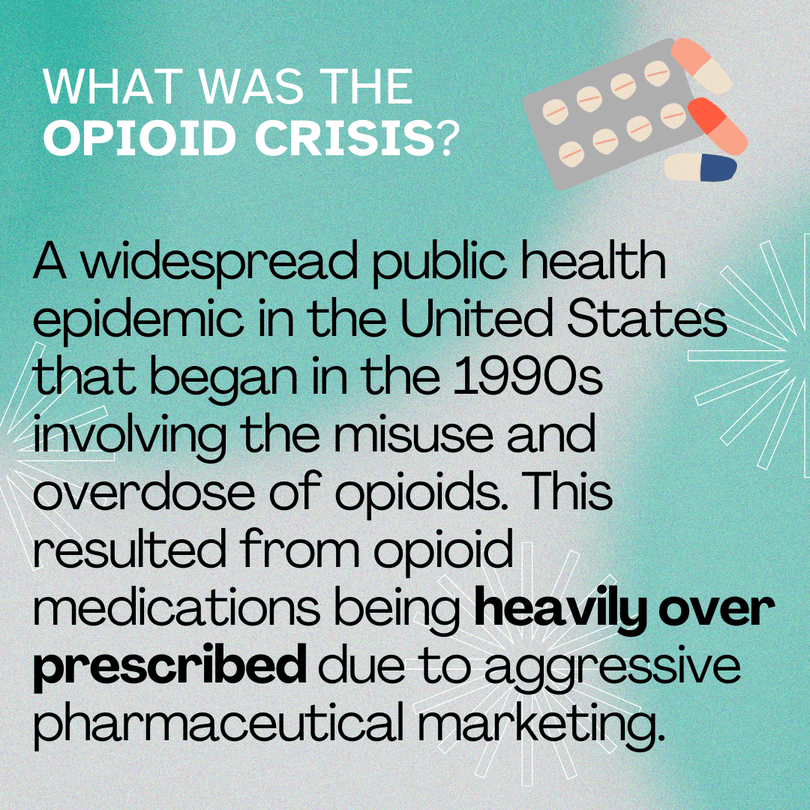
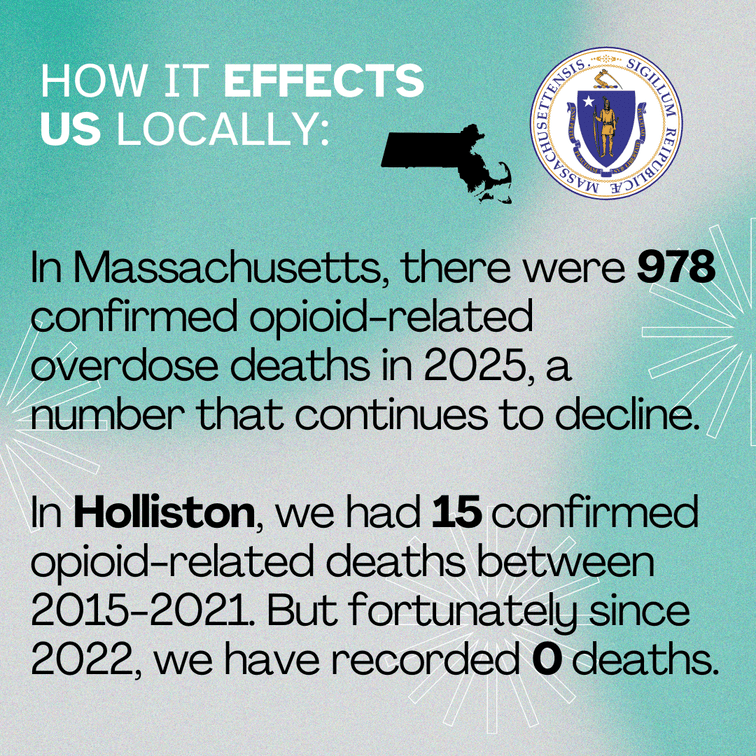

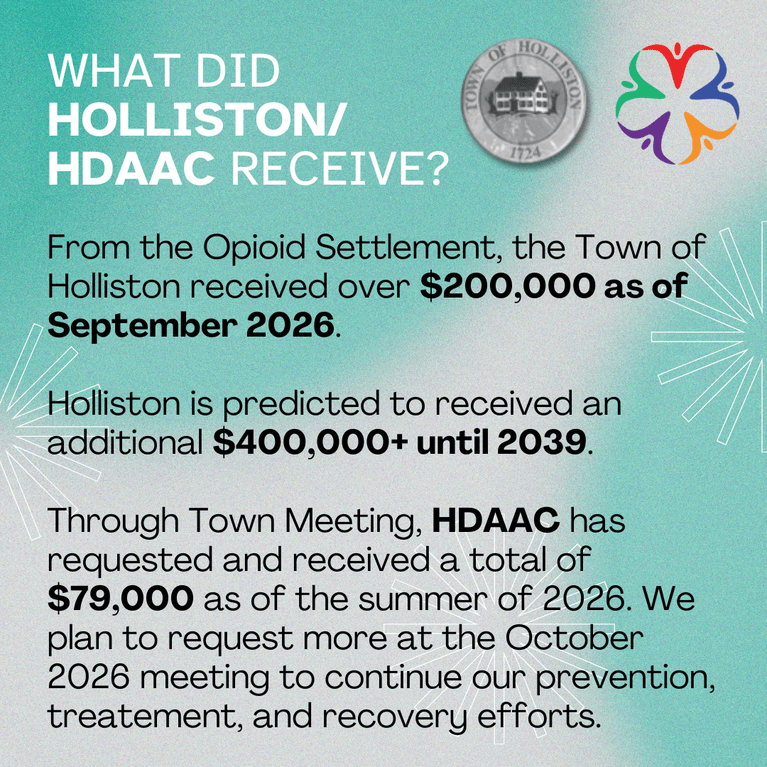


HDAAC Opioid Plans 2026-2027
*If you’d like more information please contact us at moreauz@holliston.k12.ma.us or winerj@holliston.k12.ma.us
Our future Goals Include:
- Collect information from those in town directly impacted by the opioid crisis.
- Increase support for long-term recovery, including bringing a Narcotics Anonymous (NA) and young people’s AA/NA meetings to town.
- Enhance substance misuse prevention training for educators, town employees, and community members.
- Criminal Justice & Treatment Support: Post-intervention programs with the Holliston Police Department.
- Support for Pregnant & Parenting Women: Partnerships with local hospitals to provide substance use resources for mothers.
About Opioids
What Are Opioids?
Opioids are a class of drugs derived from substances found in the opium poppy plant. Opioids work on opioid receptors in the brain to produce a variety of effects, including pain relief, euphoria, and sedation. Opioids include semi-synthetic and synthetic drugs such as hydrocodone, oxycodone, and fentanyl.
- (Legal) Usage: Prescribed for specific medical conditions or post-surgery, often in small amounts.
- Risks: High potential for misuse due to addiction potential and euphoria. Prescribed medication can be taken as tablets, capsules, syrups, or via injection. Opioids may also be snorted illicitly.
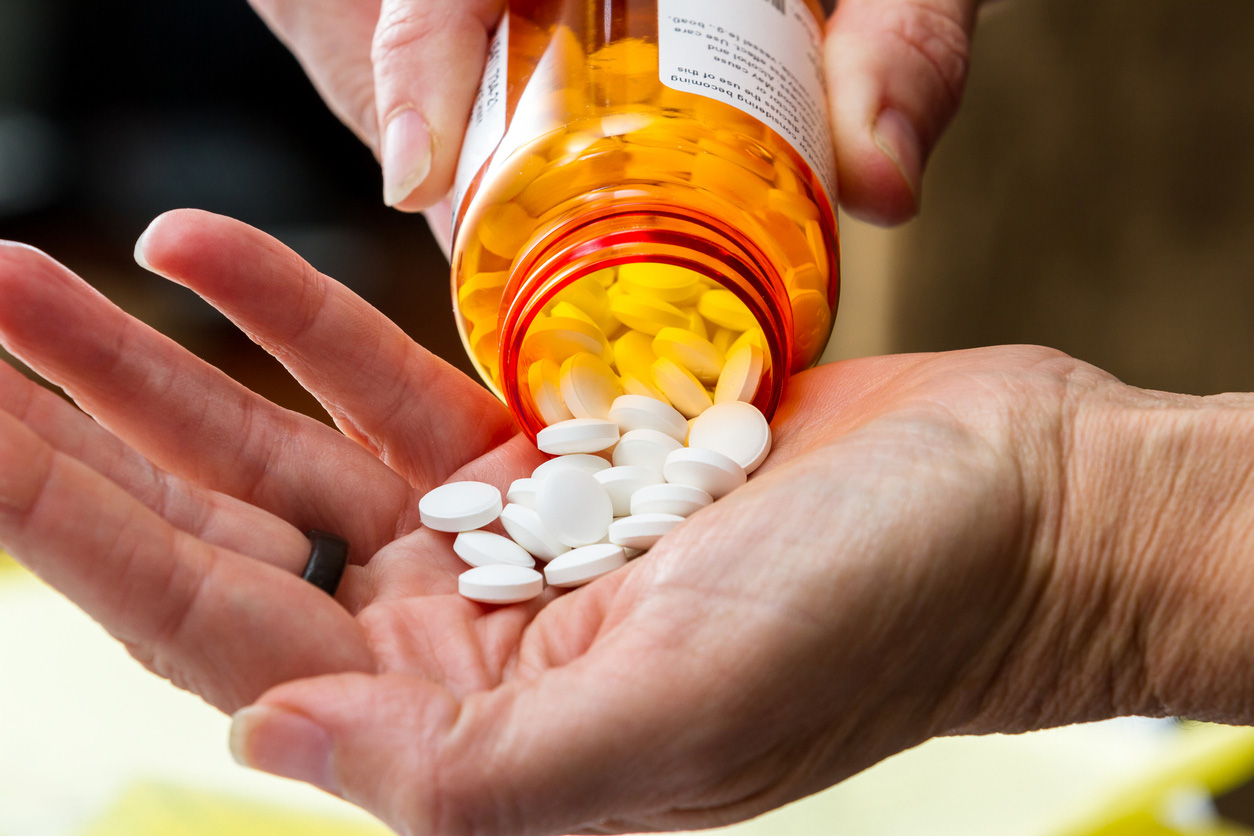
Commonly Prescribed Opioids:
- Hydrocodone/Ibuprofen (Vicoprofen)
-
Acetaminophen/Oxycodone
(Roxicet, Percocet) -
Tramadol (Ultram)
-
Hydromorphone (Dilaudid)
-
Meperidine (Demerol)
- Acetaminophen/Hydrocodone (Norco, Lortab, Vicodin, etc.)
- Fentanyl (Sublimaze, Abstral, Duragesic)
-
Morphine (MS Contin)
-
Hydrocodone/Pseudoephedrine (Rezira)
- Codeine
- Oxycodone Roxicodone, (Oxycontin, Oxecta, Xtampza ER)
Other Opioids
Illicit fentanyl is being distributed across the country, sold on the illegal drug market, and is being mixed in with other illicit drugs to increase the potency of the drug. It is sold as powders and nasal sprays, and increasingly pressed into pills made to look like legitimate prescription opioids. Because there is no official oversight or quality control, these counterfeit pills often contain lethal doses of fentanyl, with none of the promised drug.
Heroin
Heroin is an opioid drug derived from morphine and can be a white or brown powder or a sticky black substance known as black tar heroin. Heroin can be smoked, injected, snorted, or sniffed. It’s important to note that Heroin is a Schedule I controlled substance and cannot be prescribed.
Fentanyl
Fentanyl is a synthetic opioid drug and is roughly 100 times more potent than morphine. A doctor might prescribe it if a person has extreme pain. Fentanyl can be given as a shot, taken as a lozenge, or administered transdermally as a skin patch. Fentanyl is used more in the hospital setting.
What is
Opioid Use Disorder?
Opioid Use Disorder (OUD) is a substance use disorder involving problematic opioid use that leads to significant impairment or distress. It’s also known as opioid misuse, dependence, or addiction. OUD is treatable and chronic, and can affect anyone regardless of race, gender, income, or social class.
Tips on
How to Take & Store Opioids
Usage Guidelines:
- Follow prescribed amounts strictly. Do not take more than what was prescribed without speaking with your provider.
- Avoid combining opioids with alcohol or other sedatives (e.g., benzodiazepines, muscle relaxants, sleep aids).
- Do not share or sell prescriptions.
Storage: Keep opioids in a secure place, out of reach of others by locking them away.
Narcan & Overdoses:
An overdose occurs when opioid consumption overwhelms the brain, affecting breathing. Symptoms can appear within minutes (especially with fentanyl) or up to three hours later.
Signs of Intoxication
- Relaxed muscles
- Slurred speech
- Sleepy appearance
- Responsive to stimuli
- Normal heartbeat and breathing
Signs of Overdose
- Limp body, unresponsive
- Unusual sounds (choking,gurgling)
- Slow/erratic heartbeat or no pulse
- Pale, clammy skin; blue lips/fingers
- Slow or stopped breathing
Disposal:
Use community take-back programs or follow FDA guidelines for disposal. In Holliston, the Police Department will take back medication year round. This includes any expired or unwanted over-the-counter and prescription medications. They cannot accept any injectables/sharps, ointments, liquids, or inhalers. The drop box is available for disposal of small quantities of unwanted medications in the lobby 24/7.
Collaboration with Doctors:
- Work with your doctor to discuss pain management and treatment options, including non-opioid alternatives.
- Share concerns and medical history, especially regarding substance use disorders.
- Consult your doctor within the first few days of starting opioids to assess effectiveness.
- Report any side effects or concerns to your doctor.
Opioid Use Effects
Short-Term Effects:
Dry mouth, nausea, vomiting, extreme itching, altered consciousness.
Side Effects:
Drowsiness, constipation, slowed breathing. Large doses can cause severe respiratory depression.
Chronic Use
Can lead to physical dependence, tolerance, and addiction, characterized by compulsive use and drug seeking.
Dependency
High risk of dependency with misuse; taking high doses or combining with substances (especially alcohol) can lead to respiratory distress or death.
Dual Use
Many opioid overdoses involve other substances including alcohol, benzos, and stimulants. Never take other medication or substances while on opioids without a doctor’s consent.
Withdrawal Symptoms
May begin hours after last use, including restlessness, severe pain, insomnia, diarrhea, cold flashes, and intense cravings.
Injection Risks
Collapsed veins, increased risk of HIV and Hepatitis C. Snorting can damage nasal tissue.
Responding to an Overdose:
1
Assess the Signs:
- Check if the person is breathing or can speak.
- Look for blue skin/lips.
- Assess responsiveness with a sternal rub (rub the knuckles of a closed fist firmly and vigorously on the patient’s sternum).
2
Call 911:
If unresponsive, call 911 and state the location and that the person isn’t breathing.
3
Administer Naloxone (Narcan):
If available, use naloxone in either nostril.
4
Perform Rescue Breathing:
- If the person isn’t breathing, start rescue breathing.
- Repeat naloxone and rescue breathing every 2-3 minutes until help arrives.
- If breathing resumes, place them in the recovery position.
Narcan
Narcan, or Naloxone, is a medicine that rapidly reverses an opioid overdose. It is an opioid antagonist. This means that it attaches to opioid receptors and reverses and blocks the effects of opioids. Naloxone can quickly restore normal breathing to a person if their breathing has slowed or stopped because of an opioid overdose. But, naloxone has no effect on someone who does not have opioids in their system, and it is not a treatment for opioid use disorder.
Narcan is available to all Holliston residents at our office (1750 Washington Street).
Other names for Narcan:
- Buprenorphine
- Naloxone
- Suboxone
- Zubsolv
Key Statistics
In Holliston, we have had 10 confirmed opioid-related deaths from 2016-2023; in 2022 and 2023 we recorded 0 deaths.
In Middlesex County, we had 301 opioid-related deaths in 2023, which accounted for 12% of the state’s opioid-related deaths.
Middlesex County has the most opioid-related deaths of all MA counties overall since 2016, and the 2nd highest in 2023.
In MA in 2023, males were dying at much higher rates from opioid-related deaths at a ratio of 3:1.
There were 2,125 confirmed and estimated opioid-related overdose deaths in MA in 2023.
Two-thirds of teens and young adults who misuse prescription medicine obtain it from friends, family, and acquaintances.
Drug overdoses are the leading cause of death for Americans ages 18-45.
*Remember, keep opioids in a secure place, out of reach of others by locking them away and/or disposing of them if they are no longer needed or wanted at your local police station.
See more data with the PDFs below:
Opioid-related Overdose Deaths among MA residents – June 2024
Opioid-related Overdose Deaths by County – June 2024
Opioid-related Overdose Deaths by City or Town – June 2024
Opioid-related Overdose Deaths Demographics – June 2024
Getting Help
Program RISE: Opioid Overdose Prevention
Phone: 509-935-2960
Location: 1 Grant Street, Suite 100, Framingham
What They Do:
- Provide free, confidential help to prevent opioid overdose and access treatment.
- Offer Narcan, harm reduction kits, safe syringe access/needle exchange, counseling, and STI testing.
- For anyone 13 or older.
Behavioral Health Partners of Metrowest
Phone: 844-528-6800
What They Do: Provide free referrals to behavioral health and social service agencies in the Metrowest region.
South Middlesex Opportunity Council (SMOC) Recovery Coaches
Phone: 508-872-4853 ext. 2343
Location: 7 Bishop Street, Framingham
What They Do: Offer free, confidential support from experienced recovery coaches for those recovering from opioid use disorder.
The Massachusetts Substance Use Helpline
Phone: 800-327-5050
Text “HOPE” to 800327